Web development
Truck Energy 360: a digital presence for railway engineering
We built Truck Energy’s website, bringing together industrial services, technical content and a three-language experience for the company based in Coronel, Chile.
Explaining an industrial service clearly
A specialist company's website needs to explain what it does, when its expertise is needed and how to start a technical conversation. That was one of the starting points for Truck Energy 360, a SYNAPTA project for the company based in Coronel, in Chile's Biobío Region.
The platform presents services covering traction motor repairs, rotating electrical equipment, diagnostics and maintenance engineering. Each service has its own page, so visitors can understand its scope and explore the information through a clear navigation structure.
An identity connected to the workshop
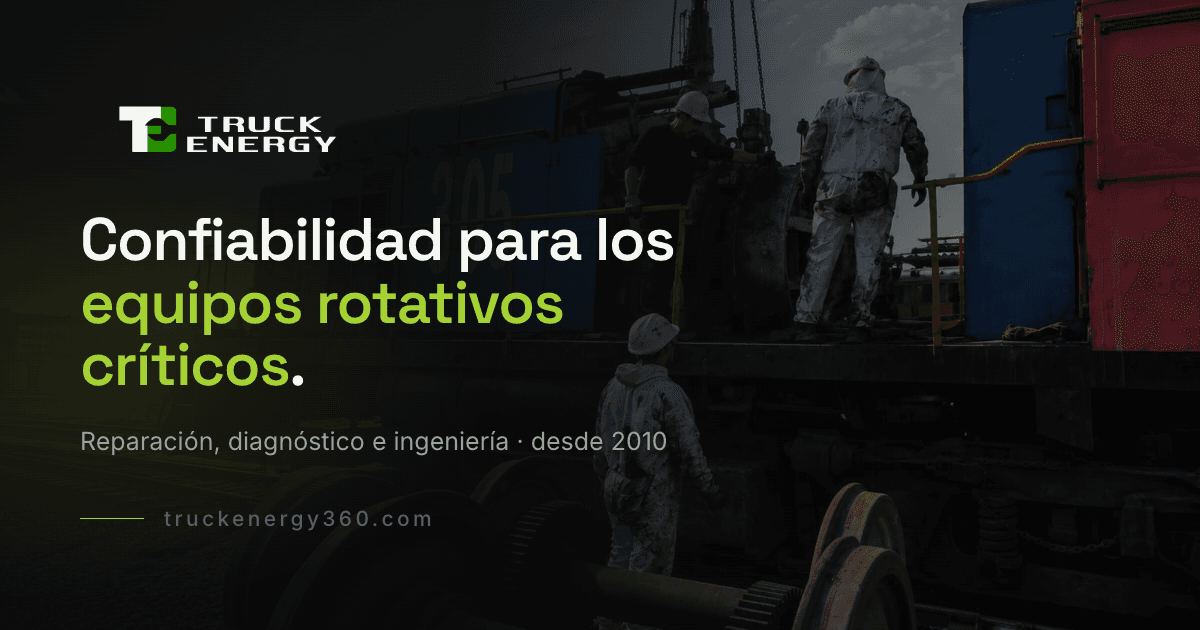
The design uses railway photography, dark tones and the brand's green accents. The content preserves the industry's technical language, with a visual hierarchy that helps users identify services, working methods and contact options on both desktop and mobile.
The website also presents Confiabilidad 360°, Truck Energy's reliability framework for measuring, interpreting, prioritizing, acting on and protecting its equipment. The methodology has a dedicated space where it can be explained alongside visual resources and specialist content.
Spanish, English and Portuguese versions help present this work to different audiences. Each language version maintains dedicated service pages and consistent navigation.
A website that also shares knowledge
Truck Energízate brings together workshop news and related content. It also provides a route to La Biblioteca de Truck Energy, a knowledge portal with its own experience for studying technical documentation.
The project offers clear paths: explore the services, understand the working model, follow updates or consult study material.
The website was developed with Next.js, React and TypeScript, with attention to navigation, responsiveness across screen sizes and page metadata. It shows how a corporate website can bring commercial information and specialist knowledge together under one identity.
Explore the scope of the work in the Truck Energy 360 case study.